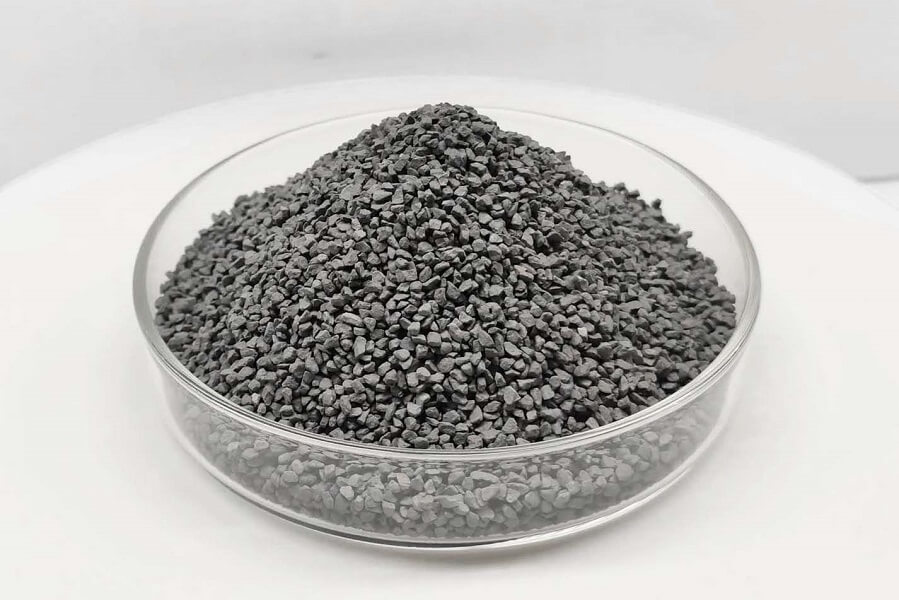
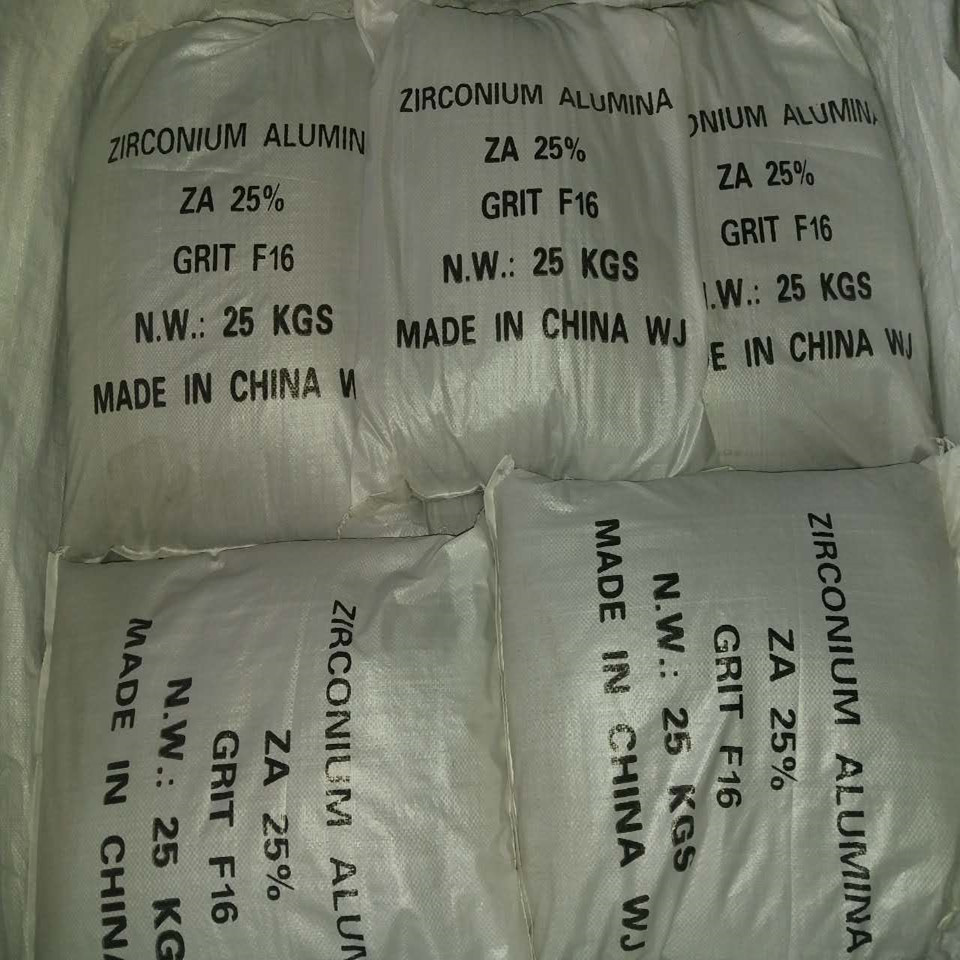
Zirconia Fused Alumina (ZFA) is a high-performance synthetic abrasive and refractory aggregate. It is a eutectic material created by fusing (melting together in an electric arc furnace) Alumina (Al₂O₃) and Zirconia (ZrO₂).
The typical composition range is 40-42% ZrO₂ and 58-60% Al₂O₃, with the eutectic point around 42% ZrO₂. This specific composition gives it unique properties, leading to its distinct applications.
Core Properties:
High Toughness & Strength: The microstructure consists of a fine interlocking network of Alumina and Zirconia phases, which effectively arrests crack propagation. This makes it significantly tougher than standard fused alumina.
Self-Sharpening Effect: During use, the abrasive grains do not fracture into large, dull fragments. Instead, they undergo micro-fracturing, constantly exposing fresh, sharp cutting edges. This translates to consistent cutting performance over a longer lifespan.
High Density & Hardness: While slightly less hard than pure white fused alumina, its combination of hardness (Mohs ~9) and extreme toughness gives it superior overall durability.
Main Applications
Based on these properties, its applications are divided into two primary sectors:
1. Abrasive Applications (The Major Use)
ZFA is a premium grain used in high-pressure, high-material-removal situations where both durability and cut rate are critical.
Abrasive Blasting (Shot Blasting):
Key Use: For surface preparation of heavy steel structures (ships, offshore platforms, bridges, storage tanks) to SA 2.5/SA 3 cleanliness.
Why ZFA? Its exceptional toughness allows it to withstand the high-impact pressures of modern airless blasting equipment without breaking down prematurely. It provides a fast, aggressive cut and a sharp, angular anchor profile ideal for paint adhesion. It is more durable than aluminum oxide and less dusty than coal slag.
Resin-Bonded Abrasives:
Grinding Wheels & Cutting-Off Wheels: Used in wheels for heavy-duty steel grinding (e.g., billet grinding in steel mills, weld seam removal, foundry snagging) and cutting thick metal sections.
Coated Abrasives (Sandpaper/Belts): Found in high-end fibre discs, flap discs, and sanding belts for metalworking. Its self-sharpening nature makes it last much longer than standard alumina abrasives, reducing changeover frequency.
Superabrasive Tools (as a matrix component):
In metal-bonded diamond tools (saw blades, grinding cups for concrete/stone), ZFA is sometimes added to the metal powder matrix to increase the tool’s toughness and bond strength.
2. Refractory Applications
Here, it’s valued for its high temperature stability, thermal shock resistance, and resistance to slag/alkali corrosion.
Sliding Gate Plates and Nozzles: In continuous steel casting, these components must withstand extreme thermal cycling and chemical erosion from molten steel and slag. ZFA-based refractories excel here.
Steel Ladle Linings (Critical Zones): Used in high-wear areas like the slag line or impact pads of ladles.
Kiln Furniture: Used to make setters, posts, and supports in high-temperature ceramic kilns where load-bearing capacity and thermal shock resistance are paramount.
Anti-Wear Castables & Plastics: Added as an aggregate to refractory castables or ramming mixes to dramatically improve their abrasion resistance in areas like cement kiln hoods, cyclones, and burner blocks.
Comparison to Other Abrasives/Aggregates
| Material | Key Characteristic | Typical Use (vs. ZFA) |
|---|---|---|
| Brown Fused Alumina | Tough, economical all-rounder. | General steel blasting, lower-cost wheels. Less tough than ZFA. |
| White Fused Alumina | Very hard, sharp, but brittle. | Precision grinding of hard steels, not for heavy impact. |
| Silicon Carbide | Extreme hardness, sharp, but brittle. | Grinding non-ferrous metals, stone, very fast cut but wears quickly on steel. |
| Aluminum Oxide (Blasting) | Standard blasting abrasive. | Good for general purpose; ZFA lasts longer under high pressure. |
| Bauxite-based Aggregates | Cheaper refractory aggregate. | For less severe refractory conditions; ZFA offers superior slag resistance. |
Summary
Zirconia Fused Alumina’s main applications are driven by its unique combination of toughness and cutting ability:
Primary Application: High-performance abrasive, especially in heavy-duty abrasive blasting and durable resin-bonded grinding/cutting tools for the steel and metal fabrication industries.
Secondary Application: High-end refractory aggregate in critical areas of steelmaking and high-temperature industrial furnaces where thermal shock and corrosion are major challenges.